




How to Choose the Right Business Phone System for Your Organisation
How to choose a business phone system is a common question for organisations reviewing their communications, planning growth, or moving away from legacy phone services. Choosing the right system impacts productivity, customer experience, and long-term scalability.
If you’re planning a phone upgrade or comparing options, start with the bigger picture first. Our Business Phone Systems Perth guide explains modern phone platforms, number porting, and cutover planning in detail.
This guide helps you understand the available phone system types, key features to compare, and how to choose a solution that supports both current needs and future growth.
How to Choose a Business Phone System for Your Organisation
Understanding how to choose a business phone system correctly helps avoid costly rework and ensures your communications scale as your business changes. The right choice depends on your team size, call volume, internet reliability, required features, and support expectations.
What Is a Business Phone System?
A business phone system is essential for streamlining communication. It connects internal teams and facilitates external interactions with customers, suppliers, and partners.
These systems come in many forms, tailored to diverse organisational needs. They range from simple setups to complex networks.
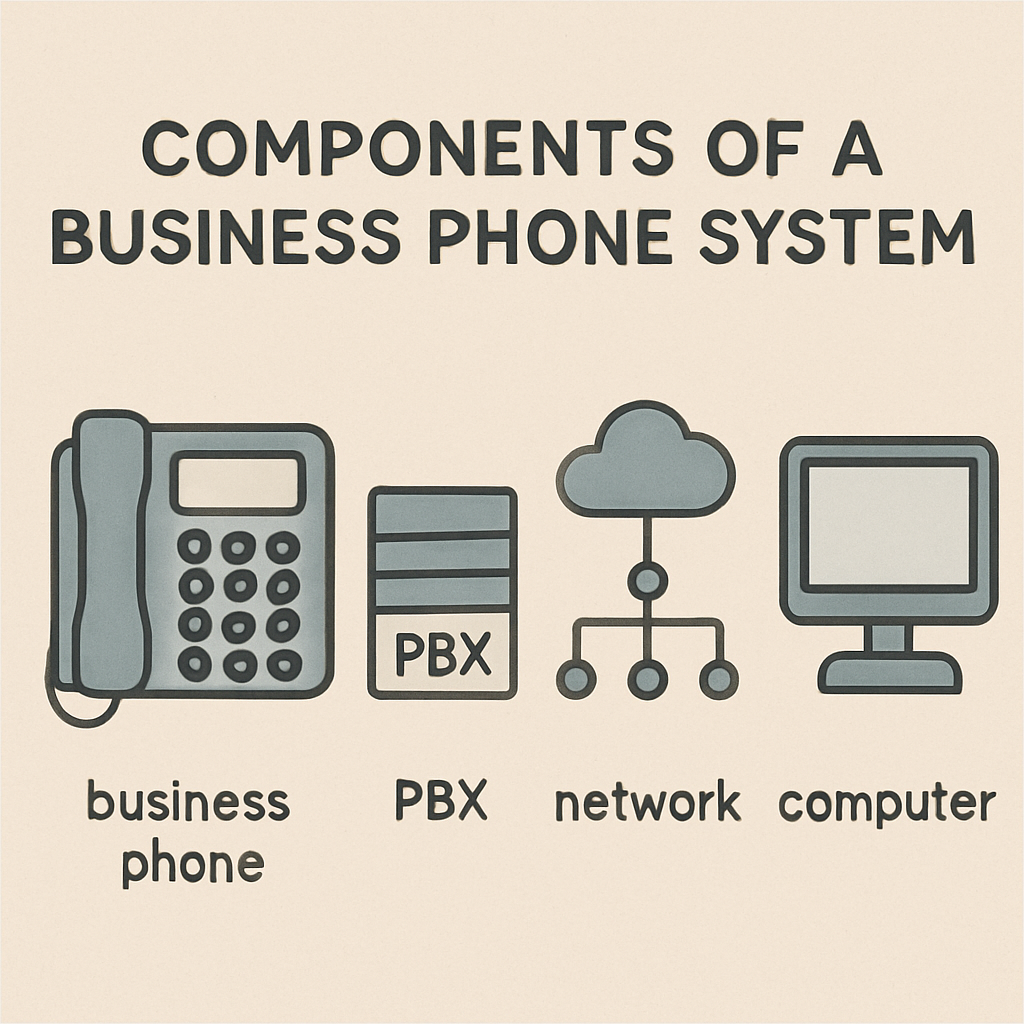
At its core, a business phone system includes several components:
- Telephones (desk phones or softphones)
- Networking equipment
- Communication software
These elements work in unison to ensure seamless communication. The system design affects reliability, call quality, scalability, and how efficiently a business operates.
This guide on how to choose a business phone system compares VoIP, PBX, cloud, and hybrid options so you can make an informed decision.
Types of Business Phone Systems
Businesses have several options when it comes to phone systems. Each type offers unique advantages tailored to different needs.
Understanding these options is critical for making an informed decision. Below are the main types of business phone systems:
- VoIP Phone Systems
- PBX Systems (On-Premise and Hosted)
- Cloud-Based Phone Systems
- Hybrid Phone Systems
Each system serves specific operational functions. They differ mainly in how they manage calls, deliver features, and integrate with other tools.
VoIP Phone Systems (Including 3CX Phone Systems)
VoIP, or Voice over Internet Protocol, uses the internet for communication. It’s known for flexibility, advanced features, and cost savings.
Key benefits of VoIP systems include:
- Scalability
- Lower costs
- Integration with existing tools
VoIP is ideal for small and medium sized businesses. It provides features like call forwarding, queues, conferencing, and mobile apps without high expenses.
If you want a proven business VoIP platform, 3CX phone systems are a popular option across Western Australia.
Official reference: 3CX Business Phone System
PBX Systems (On-Premise and Hosted)
PBX systems are traditional but effective. They can be on-premise (hardware at your site) or hosted by a service provider.
On-premise PBX requires physical hardware. In contrast, hosted PBX offers maintenance and updates remotely.
Important features of PBX systems are:
- Call routing
- Voicemail services
- Extension dialing
These systems are known for reliability and call clarity, particularly where there are a large number of handsets.
Cloud-Based Phone Systems (Including Hosted 3CX)
Cloud-based systems do not need extensive physical equipment on site. They offer strong scalability and adaptability for modern workplaces.
They are suitable for businesses with remote teams or multiple locations. Cloud systems provide features like mobile apps and unified communications.
Advantages include:
- Easy updates
- Cost efficiency
- Flexibility
Cloud systems are attractive for growing businesses due to their adaptability and reduced on-site maintenance.
Hybrid Phone Systems
Hybrid systems blend the best of cloud and on-premise features. They offer greater customisation for businesses with specific needs or staged upgrades.
Key advantages of hybrid systems:
- Enhanced flexibility
- Combined strengths of cloud and traditional systems
Hybrid systems can adapt as technology evolves, helping organisations modernise without a disruptive “all at once” replacement.
Key Features to Look For in a Business Phone System
Selecting a business phone system involves looking at essential features. These features ensure smooth daily operations and improve communication.
Some basic features every system should offer are:
- Call forwarding
- Voicemail
- Conferencing abilities
Advanced features can further boost productivity and efficiency:
- Integration with CRM tools and Microsoft 365
- Mobile app availability
- Analytics and reporting features
Analytics can provide insights into call patterns and missed calls, helping refine customer service processes and staffing decisions.
Security features should not be overlooked. Consider encryption, secure authentication, and professional firewall configuration for VoIP services.
For a practical feature breakdown, see: Business Phone System Features Explained
How to Choose the Right System for Your Business
Choosing the right business phone system can be overwhelming. Start by assessing your business needs — size, budget, call volume, and future growth.
Identify the number of users and expected call volumes. A system that can scale with your business is crucial. Look for options that allow easy scaling without major disruptions.
Next, evaluate which features you actually need, such as:
- Video conferencing
- International calling
- Advanced call routing and call queues
Integration with existing business tools also matters. A system that connects with your CRM or helpdesk can improve productivity.
If you are keeping existing numbers, number porting must be planned early. Read: How Long Does It Take to Port Business Phone Numbers in Australia?
If you’re moving offices during the change, this guide helps minimise downtime: Business Phone System When Moving Offices
Cost Considerations and Budgeting
Budgeting for a business phone system requires careful consideration. Initial setup costs vary depending on the system type and hardware requirements.
Monthly fees are another key component. Cloud-based and VoIP services often use subscription models that cover features, updates, and maintenance.
Also consider potential hidden costs, such as training, premium features, additional reporting, or international calling charges.
When planning your budget, examine the total cost of ownership:
- Initial setup costs
- Monthly subscription fees
- Potential upgrade costs
Factor in potential savings from increased efficiency and reduced downtime. A well-designed phone system often reduces operational friction and improves response times.
Security, Reliability, and Compliance
Security is paramount in any business phone system. Protecting sensitive data should be a top priority. Ensure systems have encryption and robust authentication measures.
Reliability ensures your business communications remain uninterrupted. High uptime and solid support are essential for customer-facing teams.
Compliance may be relevant depending on your industry, including data protection and emergency services requirements. Official guidance is available from ACMA: ACMA – Business Phones and Internet
Integration and Scalability
Integration is a vital feature in business phone systems. Seamless connections with CRM or other tools enhance workflow efficiency.
Scalability is key for growing businesses. As your company expands, your phone system should grow with it. Flexible systems can easily add or remove users.
When assessing integration and scalability, consider:
- Compatibility with existing tools
- Ease of scaling user numbers
- Multi-site and remote work support
Implementation, Training, and Support
Implementing a new business phone system can be complex. Ensure your provider offers a clear implementation plan, testing, and cutover support.
Training is essential for maximising system benefits. Your team should understand how to use features like call queues, voicemail-to-email, and mobile apps.
When considering support, look for:
- Access to a dedicated support team
- Availability of online help and resources
Future-Proofing Your Business Phone System
Future-proofing your business phone system ensures long-term success. Anticipate growth and technology changes when selecting a system, especially if your workforce is becoming more mobile or distributed.
Consider these aspects for a future-ready system:
- Scalability for growth
- Regular updates and improvements
- Integration capabilities with emerging technologies
Frequently Asked Questions
What is the best phone system for a small business?
Many small to medium businesses benefit from VoIP or cloud-based systems due to cost savings, flexibility, and remote work support. The best choice depends on call volume, feature requirements, and support needs.
How do VoIP systems work?
VoIP systems use the internet to make calls. This can reduce costs and provide advanced features such as mobile apps, call routing, and easy scaling.
What are key features to look for in a business phone system?
Important features include call forwarding, call queues, voicemail, conferencing, reporting, and integration with other business tools such as CRMs and Microsoft 365.
How can I ensure business phone system security?
Choose systems with encryption and secure authentication, and ensure professional configuration of firewalls and access controls.
Conclusion: Making the Right Choice for Your Business
Selecting the right business phone system is vital to your company’s success. Consider your current and future communication needs, scalability, security, and integration with existing tools before making a decision.
For a full overview of modern options, see our Business Phone Systems Perth guide.
Contact BIZ-LYNX Technology today — your local experts in business phone systems.
Need Help Choosing the Right Business Phone System?
We can assess your requirements, recommend the right platform (VoIP, 3CX, cloud or hybrid), and plan number porting and cutover to minimise downtime.